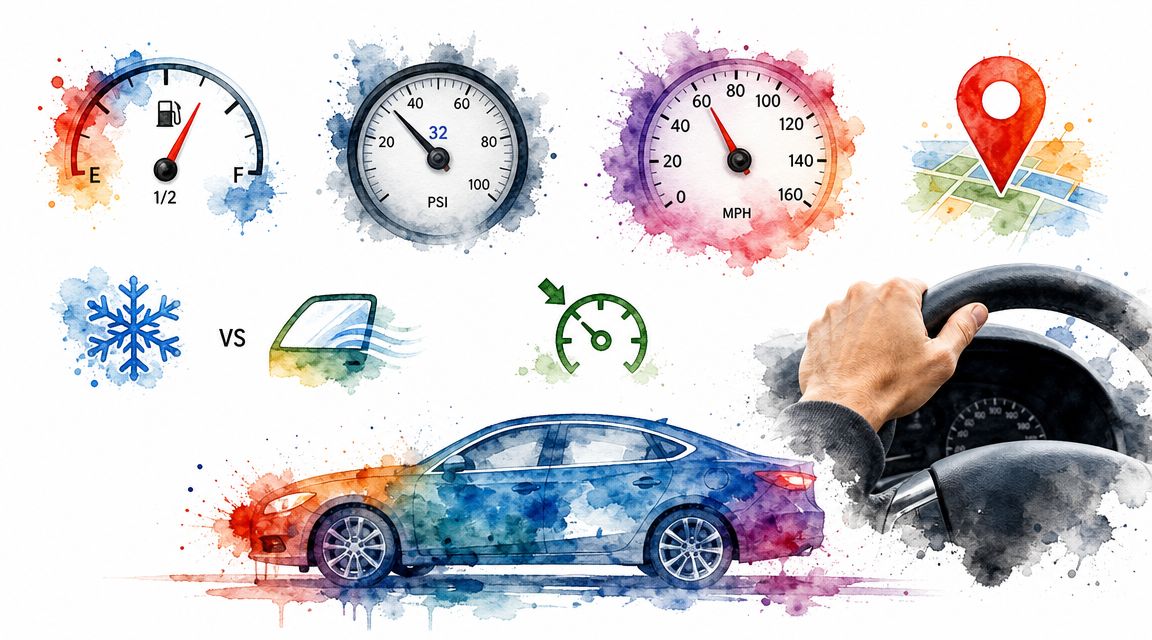
With the cost of gas staying top of mind for Georgia families, small driving changes can make a real difference. The U.S. Department of Energy notes that properly inflated tires improve gas mileage by an average of 0.6% and by as much as 3%. That's not flashy, but it's exactly the kind of everyday win that adds up over a school week, a work commute, or a long drive across metro Atlanta.
At A-1 Driving School, we teach habits that help drivers stay calm, smooth, and aware behind the wheel. Those same habits also support better fuel economy. If you want practical fuel efficient driving tips that save money and help you drive with more control, start with these eight.
1. Maintain Proper Tire Pressure and Alignment
Your tires are the part of the car that meets the road, so small problems there can affect almost everything else. If pressure is off or the wheels are out of alignment, the vehicle has to push harder to move straight and roll smoothly. That means more strain on the car, less predictable handling, and more fuel used for the same trip.
A simple way to understand it is this. A properly inflated, well-aligned car rolls like a shopping cart with straight wheels. A car with low tires or poor alignment feels more like one with a sticky wheel that keeps dragging to one side.
At A-1, students learn that good driving starts before the key turns. In Joshua's Law classes, private driving lessons, and road test prep, we teach Georgia drivers to notice how a vehicle feels, not just where it is going. A car that pulls, wanders, or feels heavy in turns is giving useful information. Paying attention to those signs can save fuel and improve control.
What to Check Each Month
Check tire pressure when the tires are cold, before a trip or after the car has been parked for several hours. Use the PSI listed on the driver's door jamb or in the owner's manual, not the number on the tire sidewall.
- Check all four tires: Front tires get more attention, but rear tires matter just as much for balance and stability.
- Look at tread wear: Uneven wear can point to an alignment problem or a pressure issue.
- Notice how the car tracks: If it drifts left or right on a straight, level road, have the alignment checked.
- Inspect before longer drives: Summer heat and highway speeds make tire condition more important.
Practical rule: A tire can be low on air even when it still looks fine.
This matters for new drivers in particular. Teens often focus on steering and traffic, while adult drivers may be thinking about work, school pickup, or the next errand. In both cases, tire problems are easy to miss until the car feels less stable or the gas tank seems to empty faster than expected.
If basic car care still feels unfamiliar, start with one skill at a time. A-1 encourages drivers to build confidence outside the classroom too, and this guide on how to fix a flat tire is a good next step.
2. Avoid Rapid Acceleration and Aggressive Driving
Smooth drivers usually spend less on fuel. They also tend to give themselves more time to react, which is one reason this habit matters so much in driver education.
The University of Nebraska-Lincoln's fleet guidance says aggressive driving can lower gas mileage by as much as 33% on the highway and 5% in city driving. That's a strong reminder that how you drive matters just as much as what you drive.
Think Ahead Instead of Reacting Late
A lot of wasted fuel comes from rushing up to red lights, darting into gaps, and braking hard at the last moment. In Atlanta-area traffic, that pattern is common, but it's expensive and stressful.
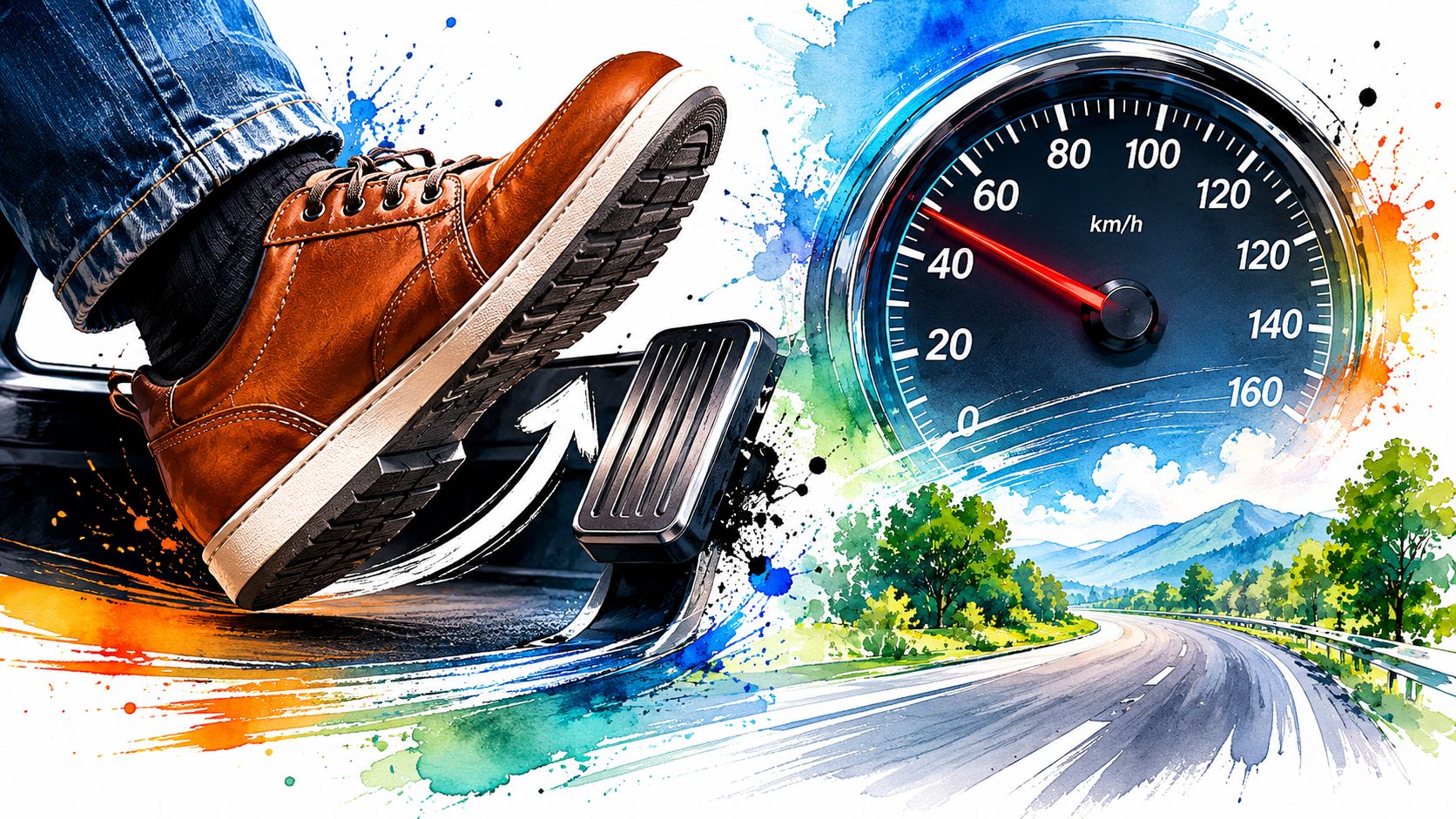
A better approach is to press the gas gently, build speed steadily, and leave enough following distance so you can ease off the pedal early when traffic slows. On the highway, cruise control can help maintain a more constant speed, which the same University of Nebraska-Lincoln guidance highlights as a fuel-saving habit.
Smooth throttle, early lift-off, and fewer hard stops make a driver look experienced for a reason.
At A-1, this is part of the bigger lesson of control. New drivers often think good driving means being quick. In reality, good driving usually means being early. Early scanning. Early decisions. Early braking.
If you want to understand how this skill fits into safer road habits overall, A-1's explanation of what defensive driving means in real-world driving connects the dots clearly without overcomplicating it.
3. Reduce Idle Time and Unnecessary Engine Running
A car at a standstill still burns fuel. It is a little like leaving a faucet running into a bucket with a hole in the bottom. Something is being used, but you are not getting useful progress from it.
For Georgia drivers, this usually happens in ordinary moments. You pull into a school pickup line early. You wait outside soccer practice with the air on. You sit in a parking lot answering a text or making a call. None of those feel dramatic, which is why idling is easy to overlook.
Common Places Georgia Drivers Idle Too Long
Long idle time often shows up in the same places:
- Pickup lines: If cars are not moving, shut the engine off until traffic starts again.
- Parking lots: If you are waiting on someone or checking your phone, turn the vehicle off.
- Morning warm-ups: Most vehicles do not need several minutes of sitting still before driving.
- Drive-through backups: If the line barely moves, parking and going inside may save both time and fuel.
New drivers are often surprised by this habit because the car feels "inactive." The engine is still working. That matters for fuel costs, and it matters for attention too. A driver who gets used to unnecessary idling can also get too comfortable sitting disengaged in places where traffic, pedestrians, or changing conditions still require awareness.
That is one reason A-1 teaches fuel-saving habits as driving habits, not car hacks. In Joshua's Law classes, private lessons, and road test prep, students learn to notice what the vehicle is doing minute by minute. Good drivers do not just steer well. They make small, smart decisions before waste becomes routine.
There is also a planning lesson hidden here. If you know a stop will involve a long wait, decide in advance how to handle it. Parents managing after-school pickups and adult drivers stacking errands can use the same thinking behind OnRoute's explanation of route optimization. Better timing and fewer unnecessary waits can reduce both idling and stress.
A simple rule helps. If you are parked or clearly stopped for more than a brief moment, ask yourself whether the engine needs to be on. In many cases, the answer is no. That one question builds the kind of calm, responsible judgment A-1 wants every Georgia driver to develop.
4. Plan Routes and Combine Multiple Trips into One
A shorter, better-planned drive usually burns less fuel than a day full of separate short trips. The savings come from fewer extra miles, fewer repeated starts, and fewer chances to get trapped in stop-and-go traffic.
This habit is simple, but it teaches real driving judgment. At A-1, we want students to prepare for a trip the same way they prepare for a lane change or a turn. Look ahead, make a plan, and avoid unnecessary corrections later. Route planning works the same way. A little thinking before you leave often leads to a calmer drive and a lower fuel bill.
Short trips can be inefficient because your car has to keep repeating the same cycle. Start the vehicle. Drive a few miles. Park. Let everything cool down. Then do it again two hours later. Combining errands into one outing cuts down on that repetition.
A Georgia example makes this clear. A parent in Gwinnett might need to pick up a prescription, stop by the grocery store, and return a package. One loop is usually better than driving home between each stop. A student in Athens can use the same idea by grouping class, work, and errands in a logical order instead of making separate trips across town.
A planned route works like a good lesson plan. You are not just going somewhere. You are choosing the order that wastes less time, less motion, and less fuel.
- Cluster nearby stops: Group errands that are close to each other into one trip.
- Choose timing carefully: If possible, leave before heavy school traffic or rush-hour backups build.
- Use navigation with a purpose: Check for delays and road closures before you pull out.
- Build a loop: End the trip near home or your final destination instead of crossing the same roads repeatedly.
For a helpful outside explanation of route planning logic, this guide to OnRoute's explanation of route optimization gives a useful big-picture view.
This also connects directly to driver training. In Joshua's Law classes, private driving lessons, and road test prep, A-1 teaches students to avoid last-minute decisions that create stress. Planning your route ahead of time helps you stay calmer, make smoother choices, and drive like a responsible Georgia motorist who is managing both safety and cost.
5. Remove Excess Weight and Cargo From Your Vehicle
Not every fuel-saving habit comes from pedal control. Sometimes the issue is what you're carrying around without realizing it.
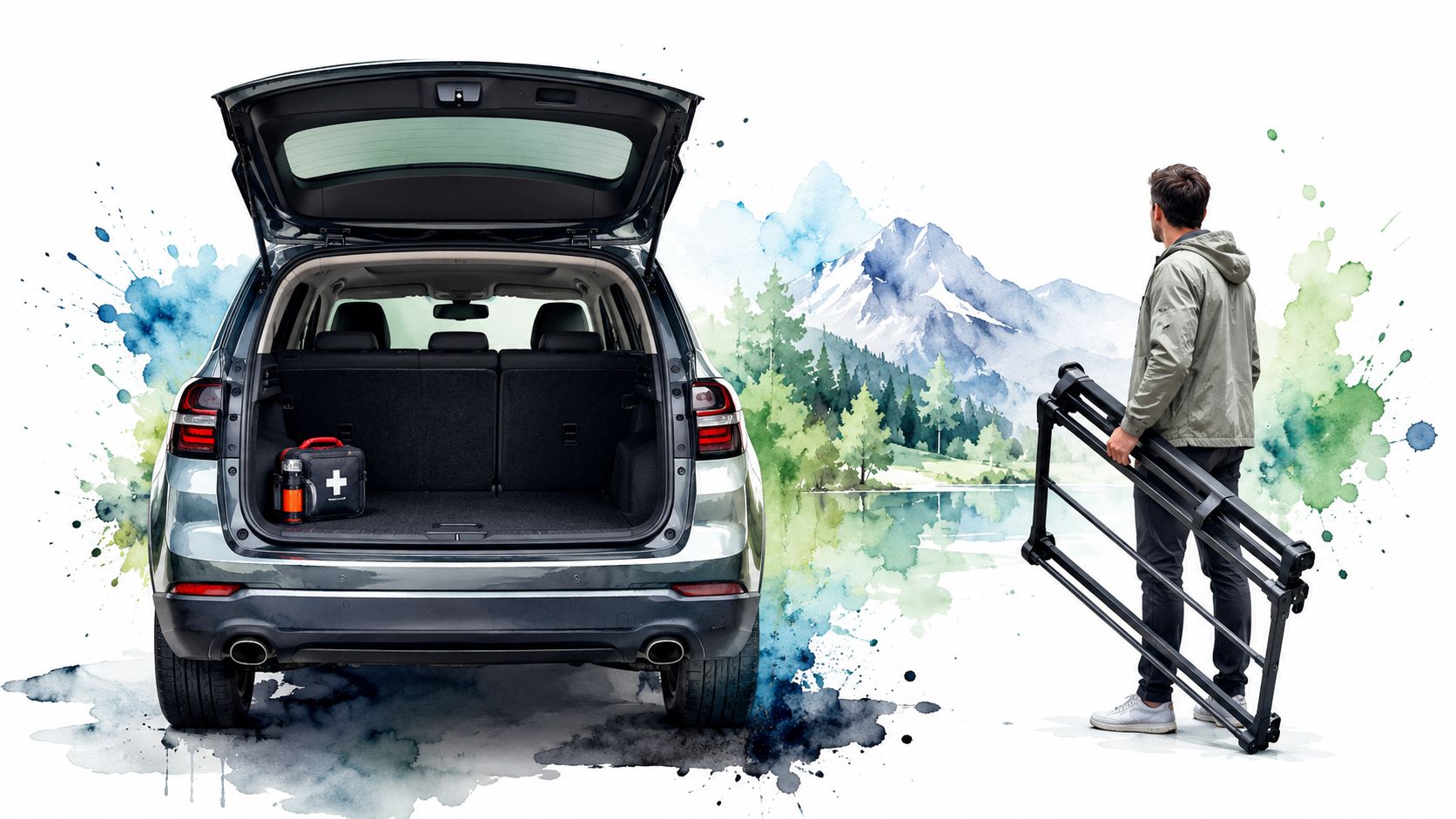
A lot of cars become rolling storage units. Sports gear, boxes, tools, old school supplies, forgotten water cases, and seasonal items can stay in the trunk for weeks. Roof racks and cargo carriers can add drag too, even when they aren't being used for anything important.
Make Your Car Lighter and Cleaner
This tip doesn't need a spreadsheet. If the vehicle is hauling items you don't need, the engine is doing extra work for no good reason. Smaller cars feel this quickly, but any vehicle can benefit from less clutter and less wind resistance.
Clean out the trunk like you're preparing for a road test. Keep what supports safety. Remove what's just riding along.
That's a useful rule for students too. A neat vehicle is easier to manage, easier to inspect, and easier to drive confidently. You're less distracted when the cabin and cargo space aren't overloaded.
- Empty the trunk regularly: Remove equipment you haven't used in a while.
- Take off roof accessories when not needed: Racks and carriers can create extra drag.
- Keep only true essentials: Emergency basics, registration, and needed tools make sense.
- Avoid long-term storage in the car: Your vehicle isn't the best place for household overflow.
If you want to better understand why vehicle weight matters in general, this guide to vehicle curb weight gives helpful background.
6. Use Air Conditioning Strategically and Keep Windows Closed at Highway Speeds
Georgia heat is real. Nobody needs a lecture about sweating through a summer commute. The smarter move is to use climate control in a way that fits your speed and conditions.
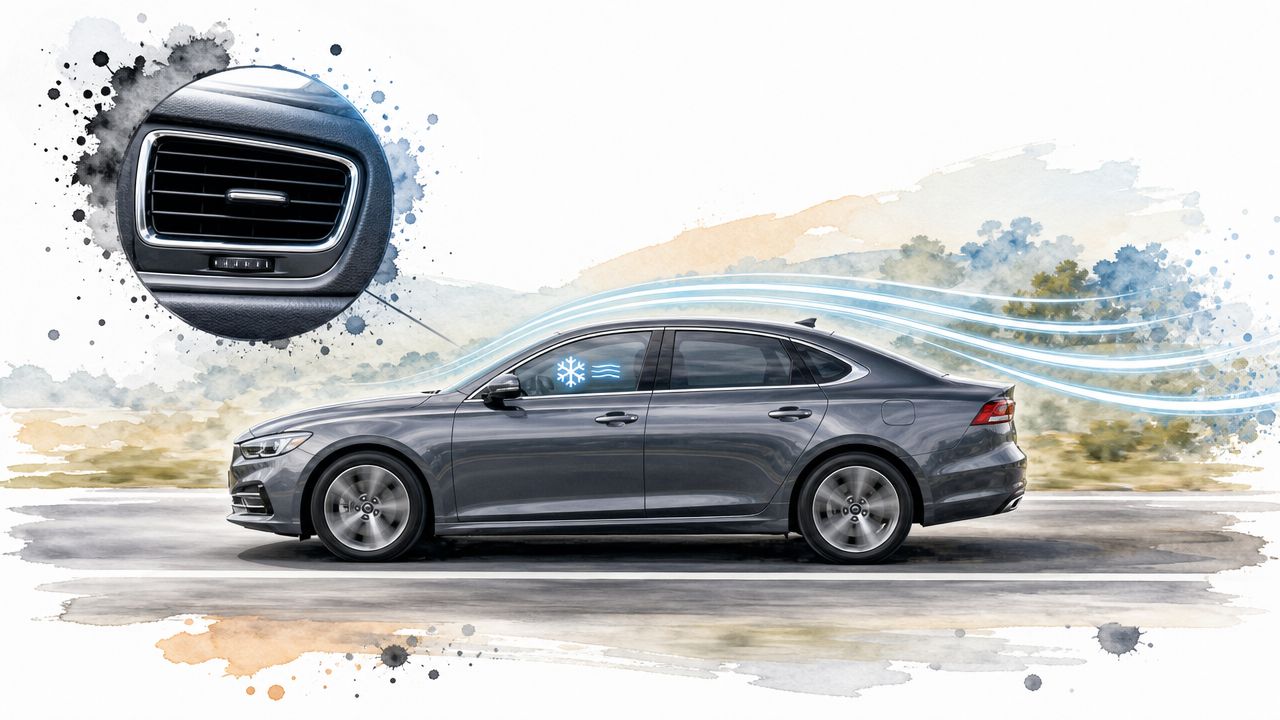
The core fuel-saving idea here is simple. At highway speed, open windows can create more drag. In lower-speed city driving, rolling the windows down may be a reasonable choice when the weather is mild enough.
Match the Choice to the Situation
If you're on I-75 or I-285, keeping the windows closed usually helps the car move more cleanly through the air. If you're driving through a neighborhood or local streets at lower speed, using outside air may make sense.
Comfort matters because uncomfortable drivers get distracted, impatient, and fatigued. Fuel efficiency should support good driving, not make you miserable. So the goal isn't to avoid A/C completely. It's to use it thoughtfully.
- On the highway: Keep windows closed and use A/C as needed.
- On lower-speed roads: Consider outside air when conditions are comfortable.
- Use recirculate mode: It can help the cabin cool more efficiently once the air is already comfortable.
- Park in shade when possible: A cooler cabin means less work once you start driving.
Students often do well with a simple question: “What's the most efficient comfortable choice for this speed?” That keeps the decision practical instead of turning it into a rule that never bends.
7. Keep Up With Regular Vehicle Maintenance
A car that isn't maintained properly can't deliver its best fuel economy. It may also feel rougher, louder, or less predictable on the road, which makes driving more tiring than it needs to be.
This is one area where drivers sometimes separate “car care” from “driving skill.” At A-1, we see them as connected. A responsible driver pays attention to how the vehicle feels and takes action when something seems off.
Don't Ignore the Early Signs
If the engine runs rough, the tires wear unevenly, warning lights stay on, or the car starts hesitating under acceleration, fuel economy can suffer along with drivability. Following your manufacturer's maintenance schedule helps you catch problems before they get expensive or disruptive.
Here's a helpful reminder for students and parents. Routine maintenance also supports confidence. When a vehicle is dependable, a newer driver can focus more on observation, lane position, speed control, and parking skills instead of worrying about what the car might do next.
Take a moment to watch this quick visual guide:
A smart maintenance habit is to notice changes early and ask questions. If you want to spot everyday habits that can wear a vehicle down faster, A-1 also explains ten ways you may be damaging your car without realizing it.
8. Manage Your Speed and Use the Right Fuel for Your Vehicle
A small change in speed can make a noticeable difference at the pump. Once drivers get above moderate highway speeds, fuel economy usually drops faster, because the engine has to work harder to push through air.
That is why smooth speed control matters so much. A car uses fuel most efficiently when the driver treats the gas pedal like a dimmer switch, not an on-off button. Steady pacing reduces wasted fuel, but it also supports better following distance, calmer lane changes, and fewer rushed decisions. Those are the same habits A-1 teaches in driving lessons, Joshua's Law classes, and road test preparation.
Use the fuel grade your owner's manual recommends. If your vehicle is designed for regular gas, paying extra for premium usually will not improve fuel economy or performance in normal driving. The correct choice is the one the manufacturer lists, not the one that sounds better on the pump.
Fuel level matters too. Keeping your tank between one-quarter and three-quarters full is a practical habit for Georgia drivers. Letting the tank get very low can increase the chance that sediment or moisture at the bottom of the tank causes problems in older vehicles, and it leaves less margin for traffic delays, road closures, or long stretches between stops. Filling all the way to the top all the time also adds extra weight. A moderate fuel level gives you a good balance of readiness and efficiency.
A few simple habits make this easier to practice:
- Hold a steady pace: Big speed swings usually use more fuel.
- Use cruise control when conditions allow: It can help maintain a more consistent highway speed.
- Check the manual or fuel door: Use the recommended octane level.
- Avoid running near empty: Try to refill before the tank drops below one-quarter.
- Do not top off unnecessarily: Adding more fuel than you need adds weight.
Teen drivers often assume skilled driving looks fast or bold. At A-1, we teach the opposite. Skilled driving looks controlled, patient, and intentional. Save fuel, and you usually improve safety at the same time.
8-Point Fuel Efficiency Tips Comparison
A good summary table should help you make quick decisions behind the wheel. At A-1, we teach students to use simple checks like this the same way they use mirrors or scanning habits. A clear system makes better driving easier to repeat.
| Strategy | How hard it is to practice | What you need | Likely results | Best use cases | Why it matters |
|---|---|---|---|---|---|
| Maintain Proper Tire Pressure and Alignment | Low. Quick monthly checks, plus occasional alignment service | Tire pressure gauge, access to air, alignment check when needed | Better fuel economy, more even tire wear, stronger braking and steering response | Daily commuters, teen drivers, pre-trip checks, vehicles pulling to one side | One of the simplest ways to improve both safety and efficiency |
| Avoid Rapid Acceleration and Aggressive Driving | Low to moderate. It takes attention and repetition | Driver self-control, practice, instructor feedback | Less fuel wasted, reduced wear on brakes and tires, smoother control in traffic | New drivers, stop-and-go traffic, busy Georgia roads | Builds the calm, controlled habits A-1 teaches in lessons and road test prep |
| Reduce Idle Time and Unnecessary Engine Running | Low. Mostly a habit change | No special tools | Uses less fuel and cuts unnecessary engine run time | School pickup lines, drive-thrus, waiting in parking lots | Easy savings with no added cost |
| Plan Routes and Combine Multiple Trips into One | Moderate. Requires a little planning before you leave | Phone map, schedule, errand list | Fewer miles driven, less stop-and-go driving, fewer cold starts | Families with errands, adult drivers with busy schedules, work commutes | Saves time as well as gas |
| Remove Excess Weight and Cargo From Your Vehicle | Low. Occasional cleanout | Time to clear trunk or back seat, storage space at home | Better efficiency and slightly more predictable handling | Smaller vehicles, long trips, drivers carrying sports gear or tools | A lighter car has less work to do |
| Use Air Conditioning Strategically and Keep Windows Closed at Highway Speeds | Low. Depends on speed and conditions | Climate controls, awareness of driving conditions | Better balance between comfort and fuel use | Summer driving in Georgia, highway trips, city errands | Helps drivers stay comfortable without wasting fuel |
| Keep Up With Regular Vehicle Maintenance | Moderate. Ongoing schedule | Oil changes, filter replacements, inspections, repair budget | Stronger overall performance, better reliability, fewer efficiency losses from neglected parts | Older vehicles, high-mileage cars, any driver who wants fewer surprises | Prevents small issues from turning into expensive ones |
| Manage Your Speed and Use the Right Fuel for Your Vehicle | Low. Mostly knowledge and consistency | Owner's manual, steady speed habits, smart refueling routine | Better efficiency, fewer unnecessary fuel costs, more margin for delays when you avoid running too low | Highway drivers, teen drivers, anyone unsure about octane choice | Reinforces the patient, intentional driving style A-1 teaches in Joshua's Law and behind-the-wheel training |
The pattern is simple. The best fuel-saving habits are usually the same habits that make a driver safer, calmer, and easier to trust on Georgia roads.
That is one reason A-1 focuses on behavior, not shortcuts. A student who learns to accelerate smoothly, plan ahead, and keep the vehicle in good condition is building skills that help on test day and every day after.
Master Your MPG Start Your Training with A-1 Today
Fuel-efficient driving isn't about tricks. It's about habits you can practice every day. Smoother acceleration, less idling, better route planning, and more attention to tire pressure all help you spend less on gas while also making you a steadier, safer driver.
That connection matters. The same person who looks ahead to avoid a hard stop is also the person who drives with better judgment in traffic. The same driver who plans errands efficiently is usually more organized behind the wheel in general. Fuel savings are one benefit. Better control and confidence are the bigger win.
At A-1 Driving School, those are exactly the habits we teach. Our instructors work with Georgia teens and adults who want practical training they can use right away, not just on test day but every time they drive. If you're getting started, A-1 offers a state-approved Joshua's Law course, including online options that make it easier to fit training into a busy schedule.
If you want hands-on improvement, driving lessons are where these skills really come alive. A calm instructor can help you learn smoother acceleration, cleaner braking, better scanning, smarter lane changes, and stronger parking habits. Those lessons support fuel efficiency, but they also build the kind of real confidence drivers need on crowded Georgia roads. For many families, a driving lessons package is the most useful investment because it turns good advice into repeatable skill.
A-1 also helps students prepare for the Georgia road test and offers road testing support at convenient locations. If cost is a concern, ask about the Georgia Driver's Education Scholarship Grant Program. It can open the door to quality training for eligible students and make the path to a license more accessible.
For drivers shopping for vehicles, efficiency often stays part of the conversation too. This look at Ford Ranger MPG considerations for buyers is one example of how vehicle choice and driving habits can work together.
If you're ready to become a more confident, capable, and fuel-conscious driver, the next step is simple. Choose training that teaches the habits behind the savings. Enroll in a course or book your driving lessons today!
A-1 Driving School helps Georgia drivers build real skill where it counts. From Joshua's Law courses and online driver education to personalized driving lessons packages and road test support, A-1 gives teens and adults a clear path to safer, smarter driving.